
The Reader tarot card: is it a real card or a reading concept?
In this article
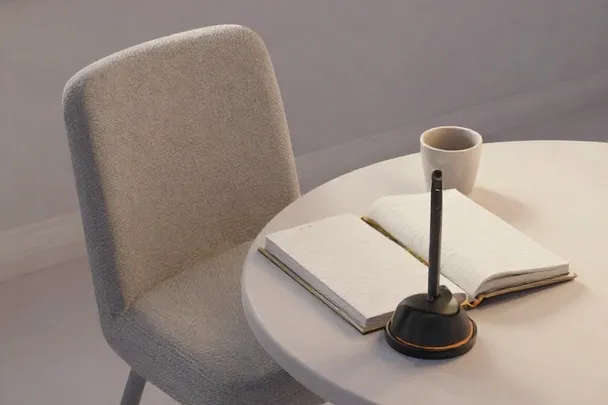
The Reader tarot card is not a standard card in the Rider–Waite–Smith deck. The phrase can describe a custom deck’s card, the person interpreting a spread, or a metaphor for that person’s point of view. Before looking for a fixed meaning, establish which of those you have in front of you.
For comparison, the publisher describes the Rider–Waite deck as a 78-card deck. The illustrated card sequence in the historical Illustrated Key to the Tarot contains cards such as the Magician, High Priestess and Hermit; it does not introduce a standard arcana card called the Reader. A modern deck can use different names, so its own card list takes priority when identifying a particular picture.
First identify what “the Reader” refers to
| What you are looking at | Where its meaning comes from |
|---|---|
| A physical card printed with “Reader” | The title, artwork and guidebook of that particular deck |
| A reading position labelled “the reader” | The question assigned to that position by the spread’s author |
| A card selected to represent someone | A significator chosen for that reading |
| An article about the reader’s influence | A discussion of interpretation, not a missing card in your deck |
If someone mentions the phrase without showing a card, ask for the deck name or the spread instructions. That single detail is more useful than assigning it the number, element or zodiac sign of another card.
The person reading changes how the story is told
Two readers can describe the same image differently. One might focus on a figure’s posture; another might connect the scene to the question or to the neighbouring cards. The useful question is how they reached their interpretation, not whether one of them has drawn an invisible extra card.
Take the Hermit as an example. A reader may interpret the solitary figure as a need for private reflection. In another question, the same image may prompt discussion of seeking a mentor. Those are different readings of a symbol. Neither, by itself, establishes that someone is lonely, that a partner will leave, or that a particular event is about to happen.
You can ask: “Which part of the image makes you say that?” A clear explanation gives you something to consider and something you can disagree with. Your context matters, and you do not have to make your life fit a reading.
Reader, querent and significator: three different roles
The reader interprets. The querent is the person bringing the question; in a self-reading, you occupy both roles. A significator is a card selected to stand for a person or subject in a method that uses one.
You might choose the Magician as a significator for a project because its imagery suggests working with available resources. That does not mean you have proved a personality trait or discovered the project’s fate. It simply establishes the focus of your spread.
A significator is optional. If a spread does not call for one, there is no need to remove a card from the deck or make the reading more complicated.
A short exercise: image, interpretation, next question
Use a card you already have. Write three separate lines before drawing any more:
- Image: describe only what you can see. For example, “A person holds a light while standing alone.”
- Interpretation: suggest one possible meaning. “I may need uninterrupted time to think.”
- Next question: connect it to something practical. “Which decision needs that time, and what information would help?”
Now write a second plausible interpretation. Perhaps the light suggests help you could seek from someone experienced. You are practising how to explain a reading, rather than trying to prove one interpretation inevitable.
If you want to practise with the site's tools, the free card spread offers automatic symbolic interpretations. Its interface and guide are in Spanish. It does not connect you to a human reader or to a separate “Reader” card.
What changes online, by phone or on video?
The channel changes what you can see or hear. Written readings let you reread the explanation; phone consultations let you ask follow-up questions aloud; video can make it easier to see the cards when the professional shows them. These differences do not demonstrate that one channel reveals hidden truths or guarantees greater accuracy.
For a personal consultation, confirm the actual channel, price and availability with the professional. The Astroideal directory presents those options in Spanish. Being able to access a page at any hour is not a promise of an immediate response.
Choosing a reader whose explanation you can follow
A useful reading leaves room for questions. Before paying, establish the subject, duration and cost. During the conversation, notice whether the reader distinguishes an interpretation from information you have actually provided.
You should be able to say “That does not fit my situation” without being pressured into another purchase or told that disbelief causes a bad outcome. Claims about guaranteed reconciliation, medical results or another person’s private thoughts are not made reliable by calling them the Reader card’s message.
Treat the concept as a reminder to make the interpretive process visible: this is the image, this is one reading of it, and this is the question it opens for you.
Frequently asked questions
Is the Reader a standard tarot card?
No card named the Reader appears in the standard Rider–Waite–Smith sequence. If your deck includes one, use that deck’s own guidebook. In this article, the phrase describes the reader’s contribution to interpretation, not an extra arcana card.
Is the Reader the same as the High Priestess?
No. The High Priestess is an identifiable Major Arcana card. A reader may use it as a metaphor for listening or inward attention, but that does not rename the card or make it represent every tarot reader.
What is a significator card?
A significator is a card deliberately chosen to represent a person, question or situation within a particular reading method. Its role comes from that choice; it is not a separate card permanently added to the deck.
Can I use the Reader idea when reading for myself?
Yes, as a practical reminder to distinguish what is visible on the card from what you hope, fear or infer. You do not need to draw an additional card or believe in a hidden influence.
¿Prefieres una lectura personal?
Compara profesionales, disponibilidad y tarifas de teléfono, chat o vídeo. Con la primera recarga recibes 10 € adicionales, según las condiciones de tu cuenta; es distinto de la pregunta gratuita en vídeo.
Por teléfono puedes informarte sobre cómo consultar. El chat y la videollamada se abren desde tu cuenta: créala gratis y recibe 10 € adicionales con tu primera recarga, o entra si ya la tienes.
Read next

Tarot
Tarot card meanings: major arcana, love, work and reversals
Understand the 22 major arcana and selected minor cards, with love and career examples, reversals, reconciliation questions and a practical reading method.
Guías de tarot
Chariot tarot card meaning for relationships explained
Relationships are dynamic by nature, shaped by intention, effort, conflict, and growth.
Guías de tarot
Chariot Tarot Card Meaning for Timing Explained
Discover the Chariot tarot card meaning for timing, including fast movement, determination, clear direction, and events unfolding quickly.